
Anxiety therapists and treatment in Dubai
Psychologists and psychiatrists for adults, teenagers and children, on Sheikh Zayed Road, Al Quoz.
Quick reply. Private and confidential.
- UK-trained
- No referral needed
- English, Arabic, French and 2 more


Licensed and accredited
10+Active licences- DHADubai Health Authority (UAE)
- CDACommunity Development Authority (UAE)
- GMCMedical register (UK)
- HCPCPsychologist register (UK)
What does anxiety feel like?
Everyone worries sometimes. Anxiety is when the worry won't switch off. It feels hard to control, and jumps from one thing to the next.
Anxiety shows up in your mind and in your body. You might notice:
- Worry that keeps going round in your head
- Feeling restless, tense or on edge
- Trouble sleeping, or waking up tired
- Finding it hard to concentrate
- A racing heart, a churning stomach or feeling dizzy
Anxiety comes in different forms:
- Generalised anxietyWorry about lots of everyday things, on most days.
- Panic attacksSudden waves of fear with strong feelings in the body.
- Social anxietyStrong worry about social situations, or about what other people think of you.
- PhobiasAn intense fear of one thing, such as flying, heights or spiders.
Unwanted thoughts that keep coming back, or fear after something frightening? Read about OCD treatment and trauma therapy.
How it works
Book a free call on WhatsApp and say who it's for.
A first appointment, where we listen and learn how anxiety affects your days.
You agree a plan together, usually a talking therapy such as CBT.
Who treats anxiety at British Premier: our psychologists, and a psychiatrist when needed
Psychologists help through talking and practical skills, and a psychiatrist is a medical doctor who can also prescribe. Read who to see: a psychologist or a psychiatrist. When you message, tell us who you'd like to see, or we'll match you. You can also see all our clinicians.

- UK-trained
- HCPC (UK)

- EMDRIA Certified Therapist
- Licensed by the DHA

- CDA-licensed
- Gottman Method and EFT for couples

- CDA-licensed
- Licensed Professional Counselor (Illinois, USA)

- CDA-licensed
- Runs the ADOS-2 autism observation
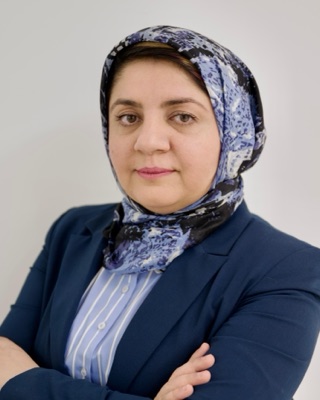

- UK-trained
- MRCPsych

- Trained at the Tavistock and Portman NHS Foundation Trust


At a glance
- Who it's for
- Adults, teenagers and children from 5. For a younger child, ask us.
- Who you'll see
- One of our psychologists, with a psychiatrist when it helps.
- Where
- In person at the Kia Flagship Building, Sheikh Zayed Road, Al Quoz, Dubai.
- Languages
- English. Also Arabic and French with Ghania, and Hindi and Urdu with Priyanka.
- Fees
- Ask us about fees on WhatsApp. See fees, insurance and how booking works.
- Referral
- You don't need one.
When is it worth seeing someone about anxiety?
It's worth talking to someone when worry gets in the way of daily life. Maybe it affects work, school, sleep or time with friends. Maybe it has gone on for months. Or maybe you've started to avoid things you used to do.
You don't need to wait until it feels severe. You also don't need to know what kind of anxiety it is. Working that out is part of the first appointment.
Anxiety can also come with low mood. That's common, and we look at both. Read about low mood and depression.
Not sure where to start?
Book a free call. It's a short call with one of our specialists to understand what you need. No obligation.
Panic attacks: what they are and what helps
A panic attack is a sudden rush of strong fear. It often comes with feelings in the body, such as:
- A racing or pounding heart
- Sweating or trembling
- Feeling faint or dizzy
- Feeling short of breath
An attack can come on fast, sometimes for no clear reason. When attacks keep coming back, it's called panic disorder. Some people start to avoid places, in case another attack happens there.
The same body feelings can have other causes. So the first appointment looks at the whole picture, not only the panic.
UK guidance from NICE recommends CBT for panic disorder. Your psychologist looks at what happens during an attack and what goes through your mind. Then you practise ways to stay steady when the feelings start.
Is it anxiety or OCD?
Both bring worry. In OCD, the same unwanted thoughts keep coming back. The person then feels they must do something to ease them, like checking or washing. The relief doesn't last, so the cycle starts again.
We treat OCD too: see OCD treatment in Dubai. You don't need to know which it is before you get in touch. We'll work it out with you.
How we treat anxiety: CBT and facing fears step by step
First, we listen. Your clinician asks about your worries and how your body reacts. They ask what you've started to avoid, and how daily life is going. Then you agree a plan together.
CBT is usually the first treatment. CBT (cognitive behavioural therapy) looks at how your thoughts, feelings and actions link up. UK guidance from NICE recommends it for generalised anxiety, panic and social anxiety. At British Premier, all five of our psychologists use CBT for anxiety. Read more about CBT for anxiety.
Facing fears in small steps. NICE describes a part of CBT called graded exposure, where you slowly face what you've been avoiding, at a pace you agree with your therapist. Read how exposure is used for OCD.
How often you meet. You and your psychologist agree this together, and review it as you go.
Children and teenagers. UK guidance says parents should be part of a child's anxiety treatment. Your child's psychologist talks with you about how you can help at home. Read more about anxiety in children and teenagers.
Medicine. If it could help, one of our psychiatrists can review your care. That includes whether medicine has a place in your plan. See how our psychiatrists work.
Wondering what a session is like? Read what a first therapy session is like.
Common questions
Which therapy helps with anxiety?
UK guidance recommends a talking therapy, usually CBT, with a trained therapist. It often includes facing feared situations step by step. Your psychologist suggests what fits you after the first appointment.
What are common signs of anxiety?
Worry that's hard to control, feeling restless or on edge, poor sleep, tiredness and a racing heart. If it's affecting daily life, it's worth talking to someone.
How is anxiety diagnosed?
A psychologist or psychiatrist talks with you about your worries, how your body reacts and how daily life is going. Then they explain what they found, in plain words.
What helps with panic attacks?
If panic attacks keep coming back, CBT is the talking therapy UK guidance recommends. Your psychologist first looks at what happens during your attacks. Then you work on it together.
What is the 3-3-3 rule for anxiety?
It's a simple grounding tip. You name 3 things you can see and 3 sounds you can hear, then move 3 parts of your body. If anxiety keeps getting in the way of daily life, talk to one of our psychologists.
Where we are
We're in the Kia Flagship Building on Sheikh Zayed Road, Al Quoz. Our clinic is on the first floor.
British Premier Psychiatry & Psychology Center
Address: Unit 110, 1st Floor, Kia Flagship Building, Sheikh Zayed Road, Al Quoz, Dubai- Opening hours: Monday to Saturday, 9:00 am to 6:00 pm. Sunday closed.
- Phone: +971 4 335 7477 landline
- Phone: +971 50 273 9020 mobile
- Parking: There is parking on site, including paid parking.

Sources
- NICE, Generalised anxiety disorder and panic disorder in adults: management (CG113)
- NICE, Social anxiety disorder: recognition, assessment and treatment (CG159)
- World Health Organization, Anxiety disorders (fact sheet)
- NHS, Generalised anxiety disorder in adults
- NHS, Panic disorder
Last updated October 2026
General information, not a diagnosis.
Talk to us about anxiety
Tell us who it's for, and we'll help you choose. Your first short call with one of our specialists is free.
Quick reply. Private and confidential.